
The Benefits of Combining Meditation with Healing Practices
- Sprihaa
- Jun 11
- 3 min read

Now, stress, anxiety, and emotional challenges have become common. Many people are turning to holistic wellness practices to find balance and improve their overall well-being. One powerful approach is combining meditation with healing practices. Together, they can support emotional, mental, and spiritual health and encourage long-term wellness.
What Is Meditation?
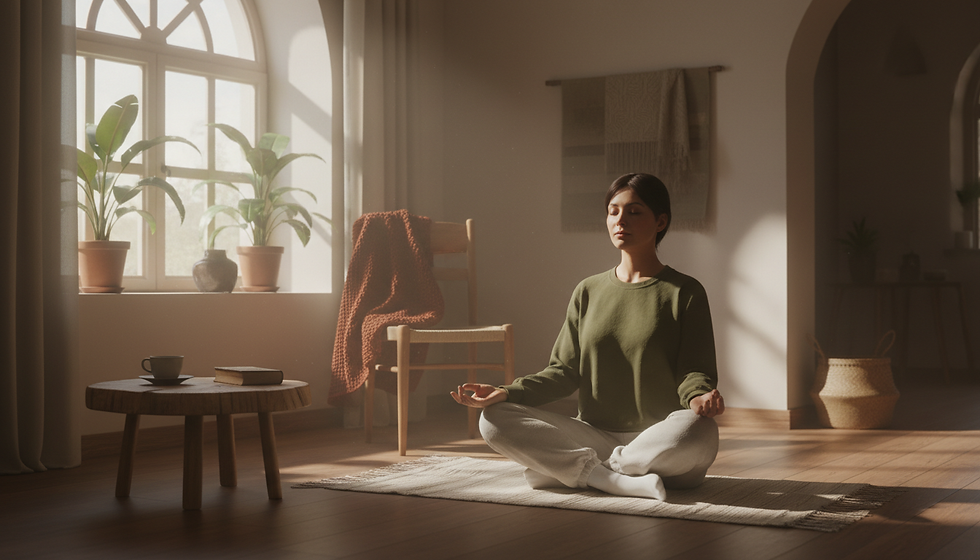
Meditation is a practice that helps calm the mind and bring attention to the present moment. It involves focusing on breathing, thoughts, or guided techniques to create a sense of peace and relaxation.
Meditation can help:
Reduce stress and anxiety
Improve concentration
Promote emotional balance
Support better sleep
Increase self-awareness
What Are Healing Practices?
Healing practices are holistic methods that aim to support the mind, body, and spirit. Some common healing practices include:
Reiki Healing
Energy Healing
Chakra Healing
Breathwork
Mindfulness techniques
Counseling and emotional support
These practices focus on creating balance and supporting overall well-being.
Why Combine Meditation with Healing Practices?
1. Promotes Deep Relaxation
Meditation helps quiet the mind, while healing practices encourage balance and calmness. Together, they create a deeper sense of relaxation.
2. Supports Emotional Healing
Meditation allows you to observe your emotions without judgment. Combined with healing therapies, it can support emotional recovery and self-awareness.
3. Helps Reduce Stress and Anxiety
Stress affects both the mind and body. Meditation healing techniques can help calm the nervous system and improve emotional well-being.
4. Improves Focus and Mental Clarity
A calm mind makes it easier to think clearly and make better decisions. Regular practice may help improve concentration and emotional clarity.
5. Encourages Spiritual Growth
Many people use meditation and healing practices to reconnect with themselves and develop a greater sense of inner peace and purpose.
6. Supports Long-Term Holistic Wellness
Combining meditation with healing practices encourages healthy habits and helps maintain balance in daily life.
Simple Ways to Begin
If you are new to meditation healing, you can start with:
Five to ten minutes of daily meditation
Guided breathing exercises
Mindfulness practices
Reiki or energy healing sessions
Journaling and self-reflection
Small and consistent steps can make a big difference in your wellness journey.
Start Your Holistic Wellness Journey
Healing is not only about addressing symptoms. It is about creating balance and nurturing your mind, body, and spirit. Combining meditation with healing practices can help you experience greater peace, emotional clarity, and overall well-being.
At Sprihaa, we offer holistic healing approaches that support emotional wellness and personal growth. Whether you are interested in meditation, Reiki, or energy healing, we are here to guide you.
Visit us to explore our healing services and wellness programs.
Contact us today and take the first step toward a healthier and more balanced life.
Frequently Asked Questions
1. What is meditation healing?
Meditation healing combines meditation with holistic healing practices to promote emotional, mental, and spiritual well-being.
2. Can meditation reduce stress and anxiety?
Yes. Meditation helps calm the mind and may reduce stress, anxiety, and emotional tension.
3. What healing practices can be combined with meditation?
Reiki, energy healing, chakra healing, breathwork, and mindfulness are commonly combined with meditation.
4. How often should I meditate?
Even 10 to 15 minutes of daily meditation can support relaxation and emotional balance.
5. Is meditation suitable for beginners?
Yes. Meditation is simple to learn and can be practiced by people of all ages and experience levels.


Comments